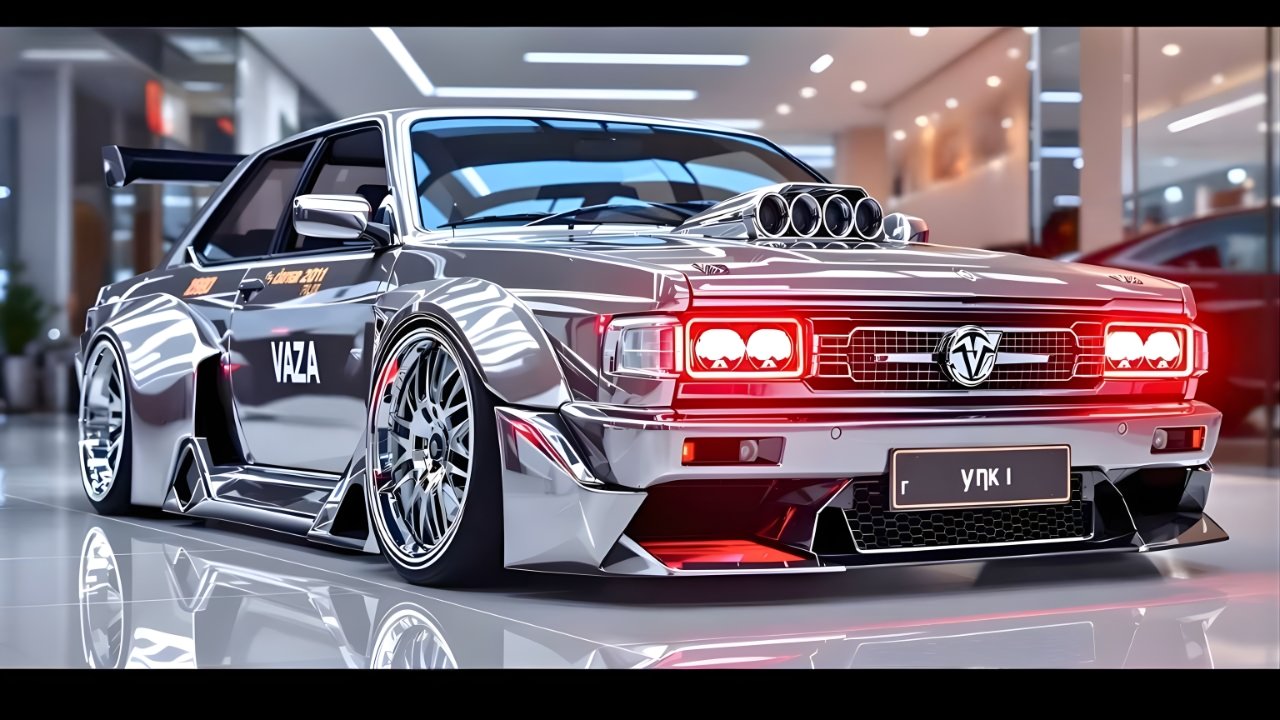
The VAZ-2101, also known as the Lada 1200 in many international markets, has been one of the most iconic cars to emerge from the Soviet automotive industry. Introduced in the early 1970s, it became a symbol of practicality, simplicity, and durability. Over the decades, from 1990 to 2026, this classic vehicle has undergone various updates and modifications, blending its timeless charm with modern enhancements. The enduring popularity of the VAZ-2101 demonstrates that good design and engineering can withstand the test of time. Enthusiasts and collectors alike continue to appreciate the combination of nostalgic design, robust mechanics, and the opportunity for personalization that this classic car offers.
Despite the availability of modern vehicles, the VAZ-2101 continues to attract attention due to its unique character and the cultural legacy it carries. The car is a testament to an era when automobiles were designed with durability and function in mind, offering a no-frills driving experience that many enthusiasts find refreshing in the age of technology-driven vehicles.
What Exactly Is the VAZ-2101?
The VAZ-2101 is a compact sedan originally manufactured by AvtoVAZ in the Soviet Union and exported widely under the name Lada 1200. It was based on the Fiat 124 platform but adapted for the rugged roads and harsh climates of the USSR. The model was known for its simple mechanics, reliable performance, and ease of repair, making it a practical choice for both urban and rural drivers.
Over the years, the VAZ-2101 has evolved from its original 1990 configurations to modern adaptations by 2026, incorporating enhancements that improve comfort, efficiency, and safety while retaining its classic appeal. Collectors and car enthusiasts recognize the 2101 as a symbol of Soviet engineering ingenuity and automotive resilience.
The charm of the VAZ-2101 lies in its balance between historical significance and adaptability. Whether viewed as a collector’s item, a vintage project car, or a daily driver in some regions, it offers an experience unlike modern vehicles. The car’s straightforward design allows for extensive customization, giving owners a chance to personalize their ride while respecting the classic design language.
Evolution from 1990 to 2026
The VAZ-2101 underwent numerous modifications over the decades to meet evolving standards and consumer expectations. During the 1990s, production models primarily focused on improving reliability and meeting export requirements. Engine upgrades were implemented for better fuel efficiency, and interior modifications enhanced comfort for longer journeys.

Entering the 2000s, enthusiasts and small manufacturers began modernizing these vehicles with more advanced engines, electronic ignition systems, and updated suspension components. These modifications allowed the classic sedan to remain relevant in the era of more sophisticated vehicles while preserving its traditional aesthetics.
By the 2010s, the VAZ-2101 became a popular choice for automotive restoration projects. Original bodywork was carefully preserved, and modernized interiors were added to improve comfort and functionality. Safety features such as seatbelt upgrades and reinforced chassis components were implemented to comply with contemporary standards without compromising the classic design.
The 2020s brought a new wave of modernization. High-efficiency engines, fuel injection systems, improved braking technology, and minor aesthetic refinements were introduced. The result is a VAZ-2101 that looks almost identical to its historical counterpart but benefits from modern mechanical and technological advancements, offering a driving experience that combines nostalgia with practicality.
Design and Aesthetic Appeal
One of the most enduring qualities of the VAZ-2101 is its classic design. The vehicle maintains a boxy, functional silhouette, characterized by clean lines and balanced proportions. The front grille, round headlights, and simple chrome accents give it a timeless charm that appeals to vintage car enthusiasts.
Throughout its evolution, design modifications have been subtle to retain the iconic look. Modern versions may include upgraded paint finishes, alloy wheels, and slight refinements to the lighting system. These updates enhance visual appeal without detracting from the recognizable appearance that has defined the 2101 for decades.
The interior has also seen incremental upgrades, improving comfort while respecting the original layout. Seats have been modernized with better cushioning and materials, and dashboards now incorporate functional gauges and digital elements where appropriate. The combination of retro aesthetics with modern touches ensures that the 2101 remains a visually appealing and practical vehicle for both collectors and casual drivers.

Engine and Performance Upgrades
Original VAZ-2101 models featured simple four-cylinder engines designed for durability and ease of maintenance. Over the years, enthusiasts and small manufacturers have introduced enhancements to increase power, efficiency, and reliability. Modernized 2101s may include fuel-injected engines, improved carburetion systems, or even fully rebuilt engines that provide higher torque and smoother acceleration.
Handling has also improved with upgraded suspension systems, reinforced chassis components, and modernized braking technology. These changes make the classic sedan more capable on contemporary roads without sacrificing the nostalgic driving feel that makes the VAZ-2101 so unique.
The adaptability of the 2101 platform allows it to accommodate various modifications, ranging from mild performance tweaks to more substantial engineering projects. This flexibility is one reason why the car remains popular among hobbyists and automotive enthusiasts even decades after its initial release.
Cultural Legacy and Popularity
The VAZ-2101 is more than just a car; it represents a significant part of Soviet and post-Soviet automotive history. It served as a reliable family car, a taxi, and a fleet vehicle across multiple countries. Its cultural significance is intertwined with its accessibility and simplicity, which made it a vehicle that nearly anyone could drive and maintain.
Collectors prize the VAZ-2101 for its historical importance, and vintage car rallies often feature restored models that showcase both the original charm and modern upgrades. The model has a dedicated following in regions where it was once a common sight, and it continues to be celebrated in automotive communities for its practicality and enduring design.
Modern-Day Appeal
Even in 2026, the VAZ-2101 holds a special place in automotive culture. Modern adaptations blend historical charm with contemporary performance and technology, making it suitable for daily use as well as collector purposes. Car enthusiasts appreciate the combination of nostalgic design, mechanical simplicity, and adaptability that allows for customization and restoration projects.

Whether you are an avid collector, a fan of Soviet-era vehicles, or simply someone who appreciates classic design, the VAZ-2101 offers a unique experience that modern cars cannot replicate. Its timeless appeal, ease of maintenance, and cultural significance make it a standout in the world of vintage automobiles.
Final Verdict
The VAZ-2101 from 1990 to 2026 has proven that great design and robust engineering can endure for decades. Its evolution demonstrates how a classic car can adapt to modern requirements without losing its identity. From mechanical upgrades to subtle design enhancements, the VAZ-2101 continues to attract enthusiasts, collectors, and vintage car lovers alike.
This enduring Soviet classic exemplifies timeless automotive appeal, blending nostalgia, practicality, and modern improvements. Owning a VAZ-2101 today is not only about driving a car; it is about preserving a piece of history, enjoying a unique driving experience, and celebrating an iconic symbol of automotive heritage.
Disclaimer
This article is intended for informational purposes only. Specifications, features, performance figures, and availability of the VAZ-2101 may vary by region and model year. Readers are advised to consult authorized sources or expert restorers for detailed and accurate information before making purchasing or restoration decisions.
